August 18, 2026
Pest problems can develop quickly, often before property owners realize how extensive the issue has become. A single insect spotted indoors may seem insignificant, while an occasional scratching sound behind a wall might be easy to dismiss. However, pests tend to stay hidden, reproduce in sheltered areas, and move through spaces that are difficult to inspect. By the time their presence becomes obvious, a larger population may already be established.
Knowing the warning signs of pest activity can help property owners respond before the problem becomes more disruptive. Professional pest management services can identify the type of pest involved, determine where activity is concentrated, and recommend an appropriate strategy based on the property and the severity of the situation. Paying attention to unusual sounds, visible damage, droppings, nesting materials, and repeated sightings can make it easier to recognize when professional attention is warranted.
You Notice Pests Appearing Regularly
Seeing an occasional insect does not necessarily indicate a serious infestation, especially when doors and windows provide entry points for outdoor pests. However, repeated sightings are different. When ants, cockroaches, spiders, rodents, or other pests begin appearing regularly, their presence may indicate that they have found suitable food, moisture, shelter, or nesting areas somewhere on the property.
Frequent sightings are especially concerning when pests appear in different rooms or at different times. Activity that spreads from kitchens and bathrooms into bedrooms, storage areas, basements, or other spaces can suggest that pests are moving throughout the structure rather than entering accidentally. Some species also remain hidden during periods when people are active, making daytime sightings potentially significant.
Contacting pest management services when sightings become frequent allows the property to be evaluated more thoroughly. Professionals can look beyond the immediately visible pests and investigate conditions that may be supporting ongoing activity. This broader assessment can help determine whether the problem is isolated or part of an established infestation.
You Notice Droppings or Other Pest Evidence
Pests do not always need to be seen directly for their presence to become apparent. Droppings, shed skins, egg casings, nesting materials, tracks, or unusual stains may all indicate activity in areas where pests remain concealed. These signs can appear in cabinets, pantries, garages, attics, storage spaces, or along walls and other travel routes.
Different pests leave different forms of evidence, and accurately identifying those signs is important. What appears to be harmless debris could potentially be related to insects or rodents. Similarly, nesting materials found in a quiet area may indicate that pests have been occupying the space for some time. Because many species prefer dark and undisturbed locations, these clues can sometimes provide more information than occasional sightings.
Professional evaluation is particularly useful when the source of the evidence is unclear. Rather than relying solely on what can be observed in open areas, technicians can consider the location, pattern, and characteristics of the signs when determining what type of pest may be present and how extensive the activity could be.
You Notice Unexplained Damage Around Your Property
Property damage can be another indication that pests have established themselves indoors or around a structure. Rodents may gnaw on materials, while certain insects can affect wood, fabrics, stored goods, paper products, or other household materials. Damage may initially seem minor but can become increasingly noticeable as pest activity continues.
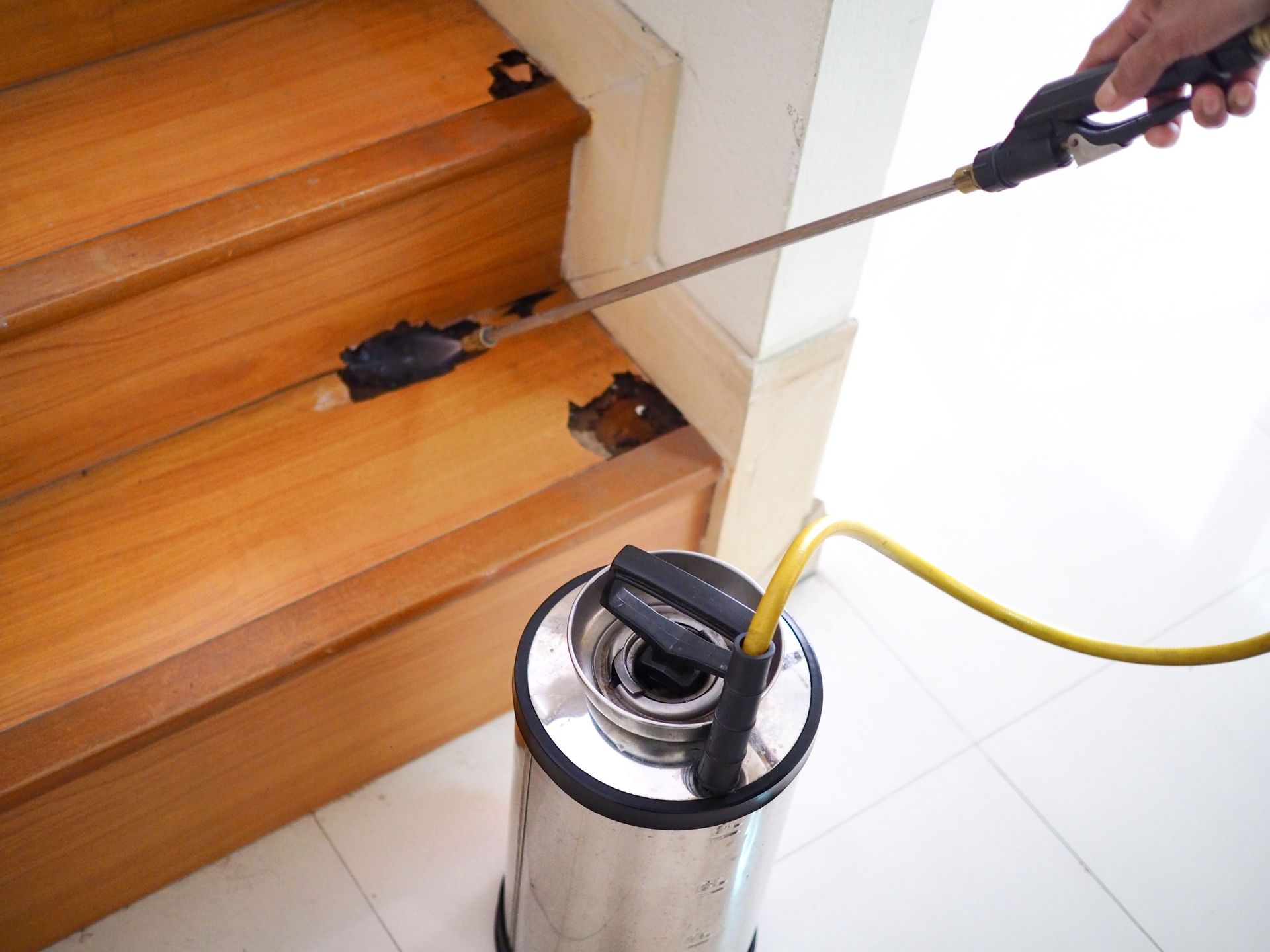
Chewed packaging, damaged insulation, unexplained holes, compromised wood, or marks around stored belongings deserve attention when there is no obvious explanation. Some pests can remain hidden within walls, ceilings, crawl spaces, or other structural areas, which means visible damage may represent only part of the problem.
Seeking pest management services can help determine whether pest activity is responsible for unexplained deterioration. A professional inspection can focus on both visible damage and areas where pests may be entering, nesting, or traveling. Early identification is valuable because continued pest activity may lead to additional damage and more complicated control needs.
You Notice Strange Sounds or Odors Indoors
Unusual noises can be an important warning sign, particularly when they occur at night or in areas that are normally quiet. Scratching, rustling, squeaking, or movement inside walls, ceilings, attics, or beneath floors may indicate rodents or other animals moving through concealed spaces.
Unexplained odors can also accompany pest activity. Nesting areas, accumulated waste, or pests occupying enclosed spaces may create persistent smells that are difficult to trace. When an odor repeatedly returns despite normal cleaning, there may be a hidden source requiring further investigation.
These warning signs should not be ignored simply because no pest is visible. Hidden activity is common, and some infestations remain largely out of sight until the population increases. Professional pest management services can evaluate suspicious areas and help determine whether the sounds or odors are connected to an active pest problem.
You Notice Pest Activity Returning After Treatment
A pest problem that repeatedly returns may indicate that the underlying source has not been fully addressed. Temporary reductions in visible activity can create the impression that an infestation is gone, even when pests remain in hidden nesting or breeding areas. Once conditions are favorable again, activity can become noticeable.
Recurring problems may also be associated with entry points, moisture, food sources, or other environmental conditions that continue to attract pests. In multifaceted infestations, addressing only the pests visible in one location may not resolve activity occurring elsewhere in the structure.
This is one reason professional pest control remains widely used. In fact, according to NPMA, nearly 13.29 million residential property owners received professional pest control services in 2025. When pests continue returning, pest management services can examine the broader pattern of activity and develop an approach based on the pest species, property conditions, and areas where the problem persists.
You Notice Signs of Nesting or Breeding
Discovering nesting materials, eggs, larvae, or concentrated pest activity can indicate that pests are doing more than simply passing through the property. Once pests begin reproducing indoors or close to a structure, the population can become more difficult to manage because new pests may continue appearing even when some individuals are no longer visible.
Nesting locations are often selected because they provide protection and easy access to essential resources. Attics, wall voids, storage rooms, garages, cabinets, and other low-traffic spaces may provide favorable conditions. Insects may establish themselves near moisture or food, while rodents may seek secluded spaces where they can remain undisturbed.
When breeding or nesting activity is suspected, pest management services can help identify where the population is concentrated. Understanding the pest’s life cycle, movement patterns, and preferred hiding places is important for developing a response that addresses more than surface-level activity.
You Notice Pests Affecting Your Daily Comfort
Pest problems do not have to cause visible property damage before they become disruptive. Persistent insects in living spaces, rodents moving through walls, or pests appearing around food preparation areas can make people uncomfortable using parts of their own property. Concerns may become especially noticeable when pest activity interferes with sleeping, cooking, entertaining, or normal routines.
Experienced pest management services can assess the property systematically rather than focusing only on individual sightings. Identifying the pest, evaluating the extent of activity, and recognizing contributing conditions can create a more informed path toward managing the problem.
You Recognize When Professional Pest Control Is Needed
Pest activity is often easier to address when warning signs are recognized early. Regular sightings, droppings, unexplained property damage, unusual noises, persistent odors, nesting evidence, and recurring infestations can all indicate that pests have established a presence that deserves professional attention. Even when activity appears limited, hidden populations may be occupying areas that are difficult to access or inspect.
Professional pest management services provide an opportunity to understand the scope of the issue and determine an appropriate response. Instead of relying on visible activity alone, trained technicians can evaluate pest behavior, possible entry areas, environmental conditions, and signs of nesting or reproduction. This comprehensive perspective can be particularly valuable when the source or severity of a problem is uncertain.
If you have noticed signs of unwanted pests around your property, contact Lanier Exterminating Service Inc. We can assess your concerns, explain our findings, and discuss our available pest control options. Let us help you address pest activity with professional attention and a plan suited to your property.