May 22, 2026
In this article, we will explore the critical role pest management services play in preventing recurring pest issues. By understanding their methods and benefits, property owners can make informed decisions to maintain a pest-free environment. Pest problems are not only a nuisance but also pose significant health and safety risks, emphasizing the importance of addressing them effectively. As awareness about pest-related issues grows, so does the need for professional management services that offer reliable, long-term solutions. The strategies employed by pest management professionals are designed to not only eliminate the current issue but also prevent future occurrences, ensuring peace of mind for property owners.
Understanding the Role of Pest Management Services
Overview of Pest Management
Pest management is a comprehensive approach to controlling and preventing pest infestations. This involves the application of various strategies designed to identify, treat, and prevent pests effectively. Professional services cover a wide range of pests, including insects, rodents, and other wildlife, which could pose a threat to both residential and commercial properties. These services utilize advanced methods and technologies to ensure that pest control is both efficient and environmentally responsible. By hiring a professional pest management service, property owners can mitigate the risks associated with pests while adhering to safety and regulatory standards.
Importance in Property Maintenance
Regular pest management is integral to maintaining the value and safety of a property. Pest infestations can lead to extensive damage that often requires costly repairs, underscoring the importance of preventive measures. By implementing routine inspections and treatments, property owners can safeguard their premises from the structural and aesthetic harm caused by pests. This proactive approach not only saves money in the long term but also provides a healthier living or working environment for inhabitants. Furthermore, employing professional pest management services ensures compliance with health and safety regulations, which is crucial for businesses operating in industries such as hospitality and food service.
Types of Pests Commonly Managed
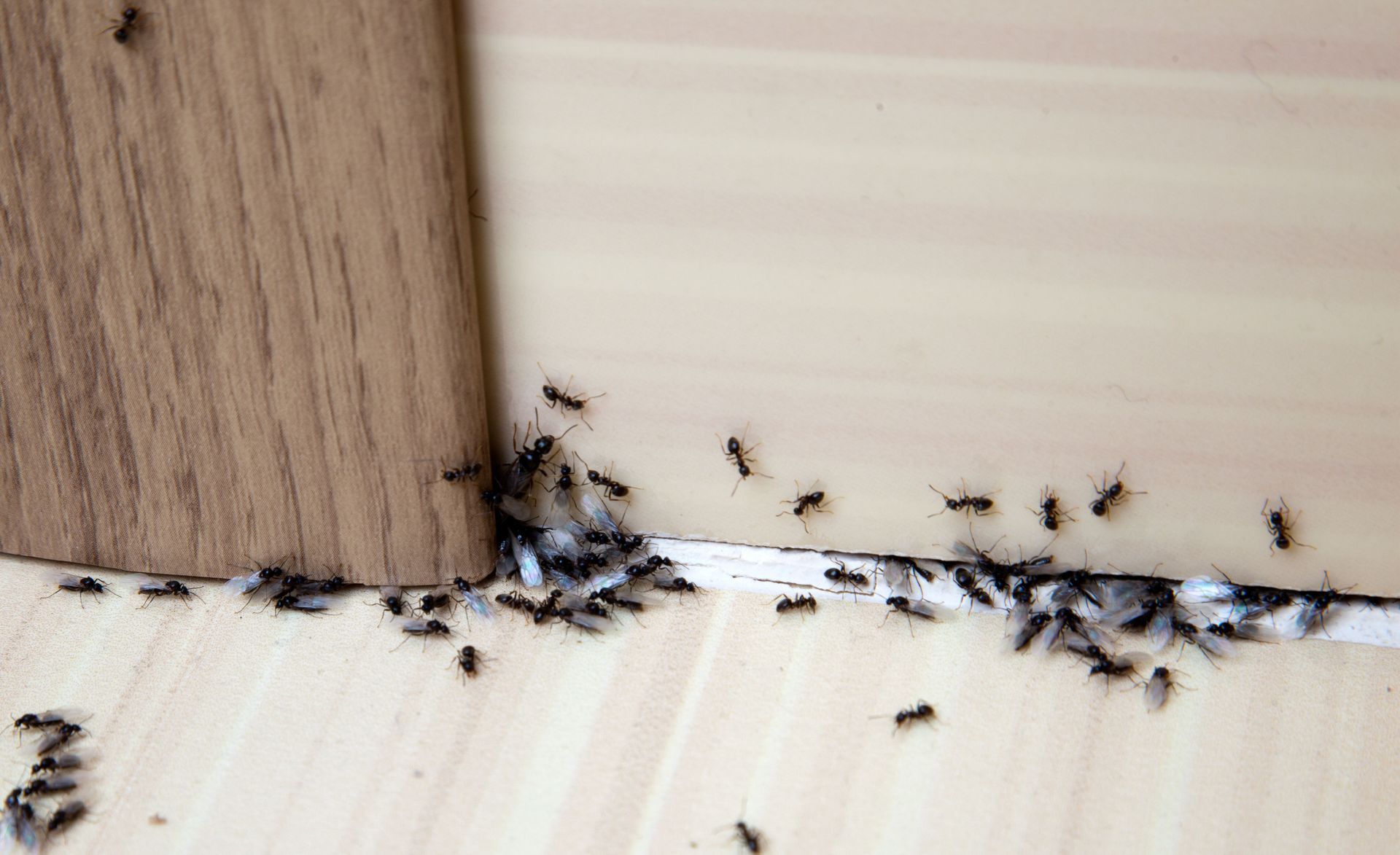
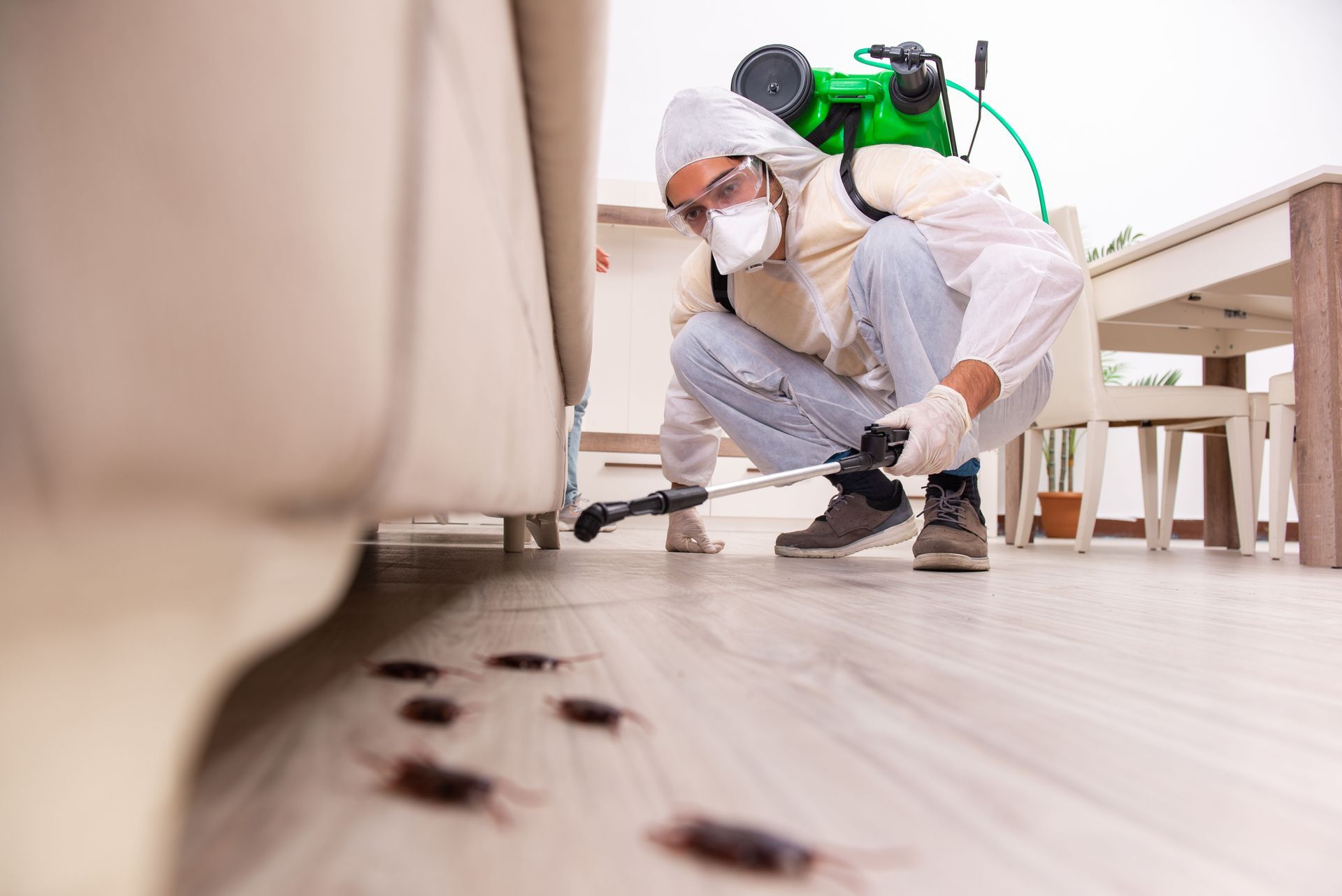
Pest management services handle a variety of common pests that can cause significant damage to properties. In the United States, termite infestations, for example, are a prevalent issue that can compromise the structural integrity of buildings if left unchecked. Other commonly managed pests include rodents like mice and rats, which are known to spread diseases and damage property. Additionally, insect infestations such as those involving ants, cockroaches, and bedbugs create health hazards and discomfort for occupants. Professionals employ targeted strategies to effectively eradicate and manage these pests, tailoring their approach based on the specific needs of the property and the type of pest present.
Professional Expertise vs. DIY Methods
While do-it-yourself (DIY) pest control methods may initially seem cost-effective, they often lack the long-term efficacy of professional services. DIY solutions typically address only the symptoms of an infestation without targeting the root cause, leading to recurrent problems. In contrast, professional pest management experts bring years of knowledge and hands-on experience, allowing them to identify and address underlying issues accurately. They utilize specialized tools and products that are more effective and safer than over-the-counter options, providing comprehensive and lasting solutions. Additionally, professional services comply with regulatory standards, ensuring that pest control practices do not pose additional risks to occupants or the environment.
Licensing and Regulation
Licensing and regulation are critical elements in the pest management industry, ensuring that services are both effective and safe. Licensed pest management professionals adhere to strict guidelines and standards set by regulatory bodies, providing a level of assurance to property owners. These regulations cover the proper use and disposal of chemicals, as well as protocols for minimizing environmental impact while ensuring human safety. Professionals must stay updated with industry standards and advancements through continuous education, allowing them to adapt to changing regulations and pest control techniques. This commitment to compliance not only enhances the quality of service provided but also protects consumers from rogue operators who may employ unsafe practices.
Assessment and Inspection Process
Initial Assessment
The initial assessment is a crucial step in effective pest management, establishing the foundation for the treatment process. Trained professionals conduct thorough evaluations to identify the type and extent of the pest problem at hand. This step involves a detailed inspection of the property, assessing areas prone to infestations and identifying potential entry points for pests. By gathering this information, professionals can accurately diagnose the problem and prioritize action plans tailored to the specific conditions of the property. An in-depth understanding of the situation allows for more effective treatment solutions, reducing the likelihood of re-infestation and ensuring long-term peace of mind for property owners.
Inspection Techniques
Pest management professionals utilize an array of inspection techniques and tools to thoroughly evaluate a property. This often includes the use of electronic devices such as moisture meters, infrared cameras, and specialized probes to detect hidden infestations. Visual inspections are also crucial, where trained technicians examine structural elements such as foundation walls, roofs, and basements for signs of pest activity. The expertise of a professional allows for the identification of subtle clues that might otherwise be overlooked in a cursory examination. The data collected during inspections are essential for developing effective, site-specific strategies to control and eradicate pest problems.
Identifying Root Causes
Identifying the root causes of pest infestations is fundamental to developing a successful pest management plan. Professionals examine factors such as environmental conditions, property design, and sanitation practices that may contribute to pest problems. By understanding the underlying causes, they can address the conditions attracting pests in the first place, thereby preventing future occurrences. Effective pest management is not simply about elimination but also involves identifying and mitigating factors that promote re-infestation. This comprehensive approach ensures that the property remains pest-free, preserving its integrity and safeguarding occupants' health and safety.
Importance of Accurate Diagnosis
An accurate diagnosis is critical for the success of any pest management strategy. A misdiagnosis can lead to ineffective treatments, wasted resources, and ongoing pest issues. Professional pest control specialists utilize their expertise to conduct precise, thorough assessments, ensuring that the correct pest and its source are identified. This precision enables the development of targeted treatment plans, addressing the specific needs of the property and reducing the likelihood of recurrence. By ensuring accurate diagnosis, property owners can have confidence in the strategies employed, knowing that their pest issues will be comprehensively and effectively addressed.
Developing an Action Plan
Based on inspection findings and diagnosis, pest management professionals develop detailed action plans tailored to each property's unique needs. These plans integrate various pest control strategies aimed at eradicating existing problems and preventing future infestations. The use of integrated pest management (IPM) models is common, where professionals employ a combination of cultural, biological, mechanical, and chemical controls. By taking a holistic approach, they can address multiple facets of pest management, ensuring effective and lasting results. It's this strategic planning that sets professional services apart, providing comprehensive and reliable solutions that DIY methods often do not offer.
Preventative Strategies and Solutions
Integrated Pest Management (IPM)
Integrated Pest Management (IPM) is a cornerstone of modern pest control strategies, offering a sustainable and effective means of managing pests. This approach emphasizes the use of comprehensive techniques combining biological, cultural, mechanical, and chemical tools to manage pest problems responsibly. By promoting environmental stewardship and reducing reliance on chemical interventions, IPM minimizes health and ecological risks.
According to U.S. Bureau of Labor Statistics, physical employment for pest control workers is expected to grow by 5% through 2034 (faster than the national average), generating approximately 13,400 new job openings annually to combat an increasing number of invasive insect species. Pest management professionals tailor IPM plans to suit the specific needs and conditions of each property, focusing on long-term prevention strategies over short-term elimination tactics. This balanced, strategic approach ensures that pest control measures align with contemporary ecological and social expectations. Be sure to reach out to Lanier Exterminating Service Inc to learn more about our professional pest management service!