October 21, 2026
Maintaining a secure, sanitary living environment requires vigilance against unwanted pests that quietly infiltrate domestic spaces. Insects and rodents seek refuge indoors to escape volatile weather patterns and locate reliable nourishment, often multiplying undetected behind interior walls. While property owners occasionally spot an individual ant along a kitchen baseboard or a lone spider near a basement window, visible activity typically hints at larger hidden colonies thriving out of view. Over-the-counter remedies and quick topical applications rarely solve the foundational issues driving these recurring invasions, leaving structures vulnerable to structural contamination and hygiene hazards. Recognizing the necessity of a thorough approach, modern exterminators conduct extensive interior evaluations to locate the true root causes of home pest vulnerability.
A comprehensive interior audit serves as the cornerstone of meaningful pest mitigation, moving far beyond surface observations to dissect every vulnerability within a property. Pests exploit microscopic architectural openings, excess humidity pockets, and secluded food particles that standard cleaning routines overlook. Without an exhaustive examination of these contributing factors, domestic environments remain exposed to continuous reinfestation cycles that compromise household comfort and indoor air purity.
Inspecting Primary Entry Points
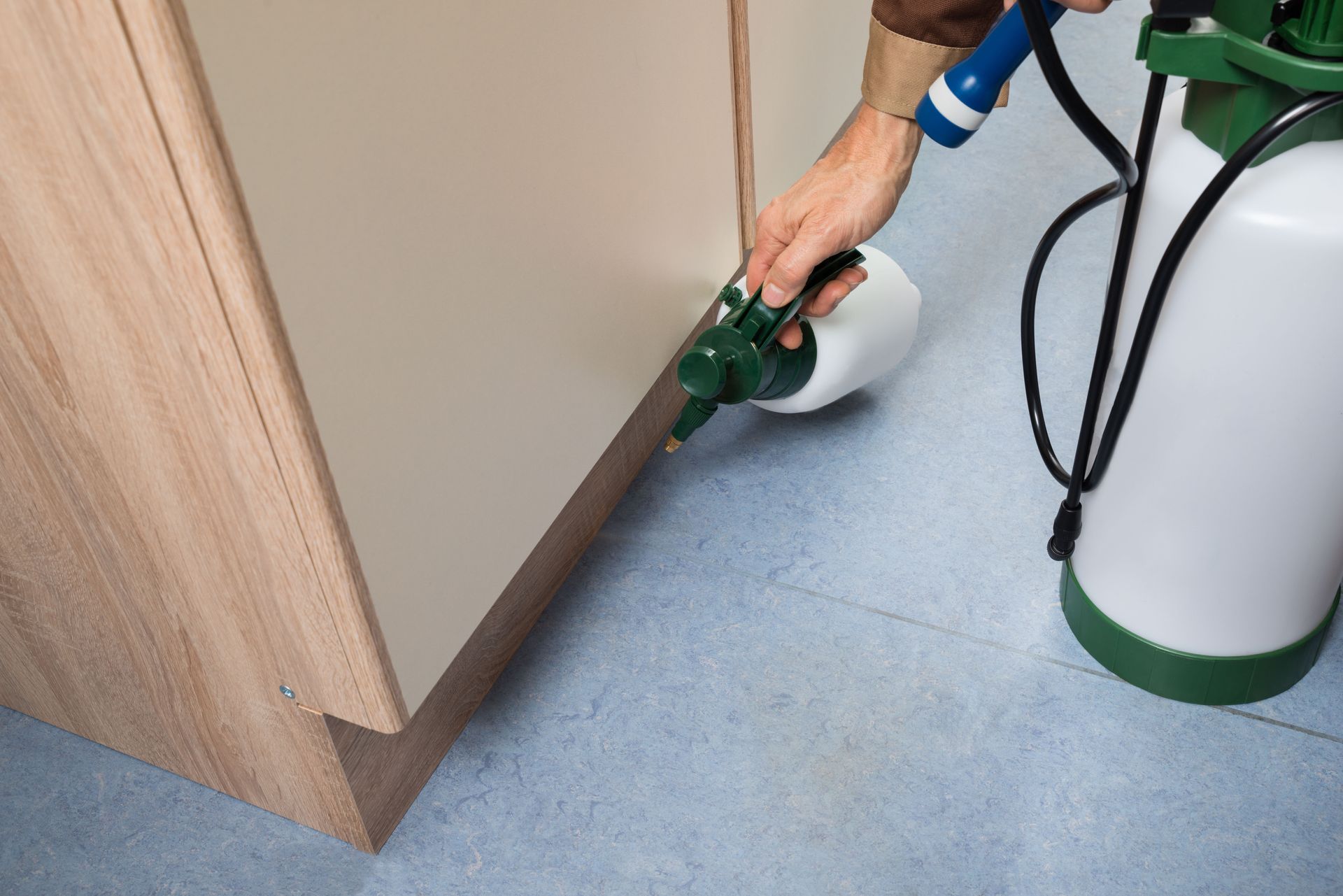
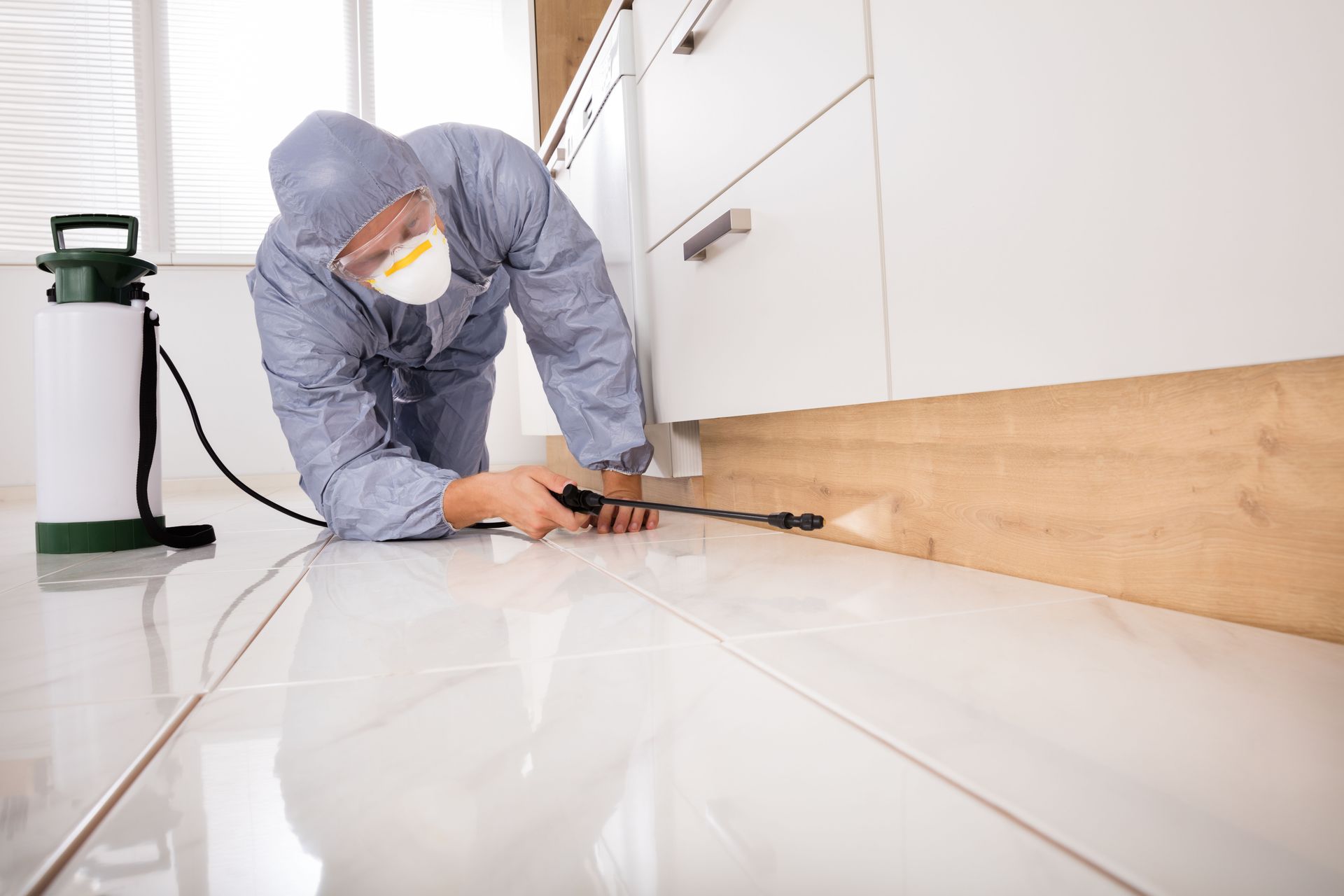
The initial phase of an interior pest evaluation focuses on the physical perimeter where outdoor invaders transition into living spaces. Small insects, such as beetles and roaches, slip through hairline gaps surrounding baseboards, exterior door sweeps, and window framing without meeting physical resistance. Similarly, mice and rats possess flexible bone architecture that permits entry through apertures no larger than a common pencil eraser. During a structured walk-through, technicians examine window casings, door thresholds, weatherstripping wear, and foundation sill plates to spot minute breaches that compromise the building envelope. Identifying these passageways early prevents pest colonies from establishing permanent staging grounds inside the house.
In addition to visible architectural seams, utilities passing through flooring and drywall represent vulnerable highways for crawling and flying pests. Electrical conduit pathways, plumbing penetrations under sinks, and laundry exhaust ducts often leave empty margins inside wall assemblies. Knowledgeable exterminators scrutinize these utility junctures using high-intensity illumination to detect rodent gnaw marks, greasy rub traces, and discarded insect molts. Mapping out these transit routes allows professionals to recommend targeted physical barriers that block ongoing ingress. Sealing these entry pathways stops pests from exploiting hidden structural voids, establishing an impenetrable baseline that shields the residence against repeated intrusions.
Assessing High Moisture Zones
Water accumulation inside a home serves as an irresistible beacon for moisture-dependent pests seeking hydration and reproductive habitats. Subterranean termites, wood-boring beetles, silverfish, and German cockroaches flourish in humid microclimates where damp wood and condensation create ideal microenvironments. Bathrooms, crawlspaces, laundry rooms, and basements frequently harbor undetected moisture deposits behind ceramic tiles, beneath floorboards, and surrounding water supply pipes. Left unaddressed, damp environments soften organic cellulose materials, creating degraded timber that insects easily hollow out to construct expanding galleries.
During this stage of the audit, exterminators utilize precision moisture meters and thermal imagery devices to detect subsurface humidity hidden from plain sight. By measuring dampness levels within wooden studs and drywall partitions, technicians identify slow plumbing leaks, deteriorating caulking seams, and improper ventilation pathways that foster pest colonization. Eliminating excessive ambient dampness not only deprives nuisance insects of necessary hydration, but it also halts wood decay fungi that weaken the building frame. Addressing interior moisture anomalies transforms a damp, inviting shelter into an inhospitable terrain where invasive species cannot survive.
Examining Food Storage Areas
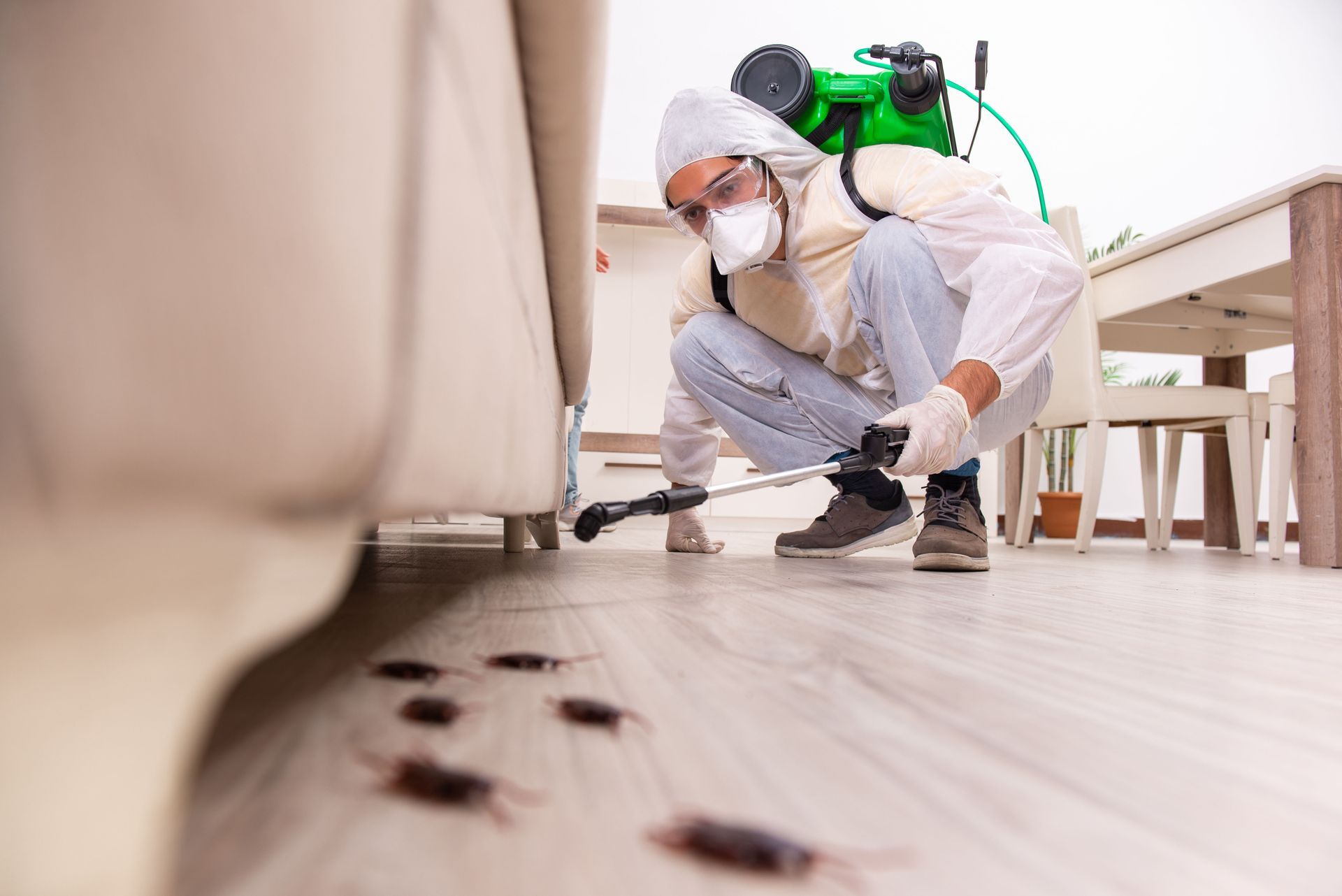
Kitchens and dining spaces represent primary attractant zones where accessible nourishment sustains rapid pest reproduction. Ants, pantry moths, flour beetles, and mice congregate wherever unsealed dry goods, spilled sugar granules, and cooking grease residue accumulate. Even immaculate kitchens often conceal microscopic food films behind heavy appliances, inside toaster trays, or within cabinet hinge corners that provide sufficient caloric intake to nourish entire insect generations. Pests foraging within food preparation zones introduce harmful bacteria, contaminate pantry goods, and leave behind allergens that compromise indoor environmental quality.
During this phase of the evaluation, trained exterminators inspect pantries, pull away kitchen appliances, and examine storage shelving to catalog pest activity. Technicians look for telltale signatures, including webbing in cereal cartons, fine frass along shelf backings, chewed cardboard corners, and droppings beneath dishwashers. By determining exactly which nutritional resources fuel the infestation, specialists recommend targeted sanitation measures, airtight containment methods, and strategic monitoring traps. Removing accessible sustenance starves out existing intruders, preventing minor pantry incursions from expanding into full-scale household infestations.
Scrutinizing Concealed Structural Voids
Unfinished attics, wall cavities, drop ceilings, and crawlspaces provide secluded environments where pests nest undisturbed by human movement. Rodents and insects frequently exploit these hollow spaces because the darkness, insulation, and elevated ambient heat shield them from natural predators. Squirrels, rats, and mice chew through fiberglass insulation to build warm nesting burrows, while carpenter ants carve extensive tunnels through wooden framing hidden behind wall panels. Because these secluded chambers remain out of daily household sight, pest populations within structural voids can multiply exponentially before residents discover any visible indications.
To properly evaluate these inaccessible zones, exterminators employ flexible fiber-optic borescopes and specialized acoustic listening instruments that detect movement within closed walls. Technicians examine attic insulation for tunnel pathways, inspect roof eaves for bat roosts, and check subfloor framing for subtle wood shavings that indicate active boring. Uncovering hidden nesting sites inside architectural voids prevents infestations from quietly degrading load-bearing timbers and wiring networks. Once technicians pinpoint these covert colonies, they can deploy targeted remedies directly into the voids, eliminating pests at the reproductive core rather than merely targeting visible workers.
Developing Comprehensive Treatment Plans
A thorough interior evaluation yields valuable diagnostic observations that allow technicians to construct an individualized pest elimination program. Generic, uniform treatments rarely succeed because different insect species exhibit distinctive nesting cycles, dietary preferences, and behavioral adaptations. By correlating evidence gathered from moisture readings, entry point assessments, and structural void inspections, specialists pinpoint the exact biological pressures impacting the structure. This diagnostic precision ensures that remediation efforts directly address active colonies while establishing preventative barriers that discourage future pest re-entry.
According to industry statistics published by IBISWorld, over 34,076 pest control enterprises operate across the United States as of 2026, illustrating the immense scale and necessity of structured pest eradication services. Modern exterminators utilize integrated pest management methodologies that emphasize targeted treatments, mechanical exclusion, and habitat modification over broad-spectrum chemical dispersion. By applying non-toxic physical barriers, growth regulators, and localized baiting systems, technicians resolve pest pressures effectively while protecting indoor air quality. Establishing a tailored management program restores peaceful household living and preserves domestic hygiene across every living quarter.
Protecting a residential property against elusive indoor pests requires consistent awareness, technical expertise, and detailed structural analysis. Surface-level sprays and temporary traps cannot address hidden nests flourishing deep inside foundation perimeters, moist crawlspaces, or closed wall cavities. A comprehensive interior evaluation illuminates vulnerable entry channels, eliminates hidden attractants, and detects pest activity before substantial property destruction or hygiene issues arise. By leveraging specialized diagnostic instruments and behavioral knowledge, certified exterminators deliver enduring protection that safeguards domestic well-being and preserves household serenity for the long term.
Taking proactive measures to inspect your living quarters ensures that nuisance pests never compromise the cleanliness or structural security of your home. A detailed audit provides the actionable guidance needed to seal vulnerable seams, manage indoor moisture levels, and eliminate invasive colonies at their origin. If you are ready to protect your residential living spaces from unwanted household invaders, contact us at Lanier Exterminating Service Inc today. We will help you establish a resilient indoor environment through thorough evaluations and targeted pest elimination solutions.