August 21, 2026
Pest problems can develop in many parts of a property, from kitchens and basements to attics, crawlspaces, lawns, and outdoor gathering areas. Different pests also behave differently throughout the year, making effective management dependent on identifying the particular infestation, understanding where it is developing, and selecting an appropriate treatment.
Local exterminators bring professional pest management closer to the homes and businesses dealing with these problems. Knowledge of regional conditions can be particularly valuable when pest activity changes with seasons, weather, property characteristics, and the species commonly found in an area. Combining that familiarity with inspections, targeted treatments, exclusion work, and ongoing prevention creates a more comprehensive approach to pest management.
Local Knowledge Matters When Pest Activity Changes
Pest activity is not identical throughout the country or even throughout the year. Seasonal conditions influence when ants, mosquitoes, rodents, and other pests become more noticeable around homes and businesses. Professionals familiar with regional patterns can adapt their approach as those conditions change rather than treating every infestation as though it occurs under the same circumstances.
Local exterminators can also account for the different places pests tend to affect around properties in their service area. Basements, attics, crawlspaces, lawns, exterior structures, and other vulnerable locations may require different treatment strategies. Understanding both the pest and the affected area provides a stronger foundation for selecting appropriate professional methods.
Professional Pest Management Addresses a Major Need
Pest management represents a substantial service industry because insects, rodents, wildlife, and wood-destroying organisms affect properties throughout the country. According to IBISWorld, the pest control industry generated approximately $24.9 billion in revenue in 2025. The scale of the industry underscores how frequently homes and businesses require services that identify, treat, remove, and prevent unwanted pests.
For property owners, choosing service is about finding professionals whose capabilities match the specific problem. The work may involve an indoor insect infestation, outdoor mosquito activity, rodents entering a structure, unwanted wildlife, or evidence of wood-destroying organisms. Local exterminators offering multiple forms of pest management can respond to a wider range of conditions while keeping treatment focused on the problem at hand.
Detailed Inspections Help Identify the Real Problem
Successful pest management begins with determining what is happening on the property. A detailed inspection can identify active pests, possible nesting areas, entry points, and other vulnerabilities that contribute to an infestation. Professional assessment is especially important when pest activity occurs in concealed areas such as attics, crawlspaces, wall areas, or portions of a structure that are not readily visible.
Local exterminators can use inspection findings to develop treatment plans around the property's actual needs. This prevents pest management from becoming a generic treatment applied without regard to where activity is occurring. Advanced detection equipment may also support inspections when technicians are evaluating difficult-to-locate pest activity or wood-destroying organisms.
Different Insects Require Different Treatment Strategies
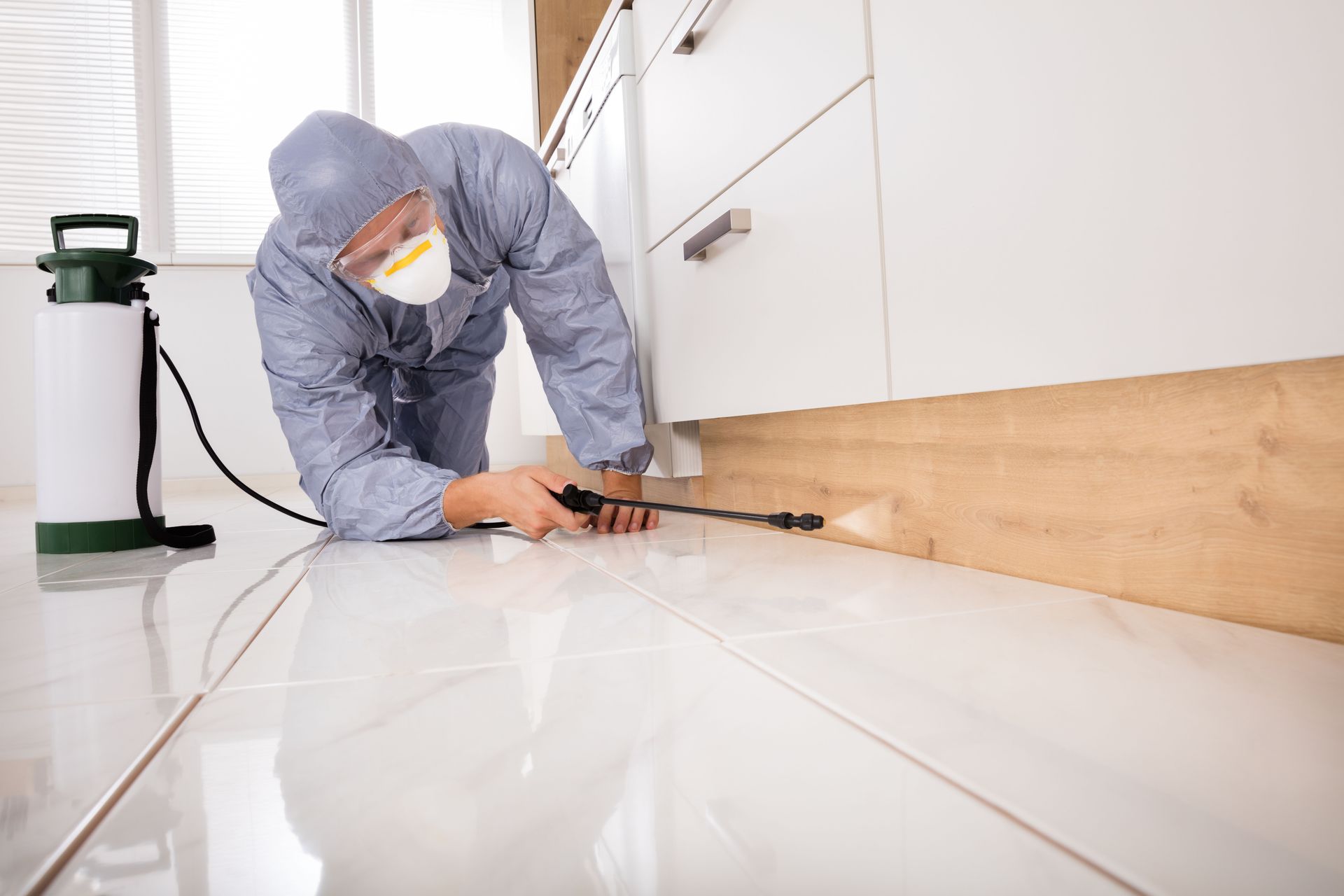
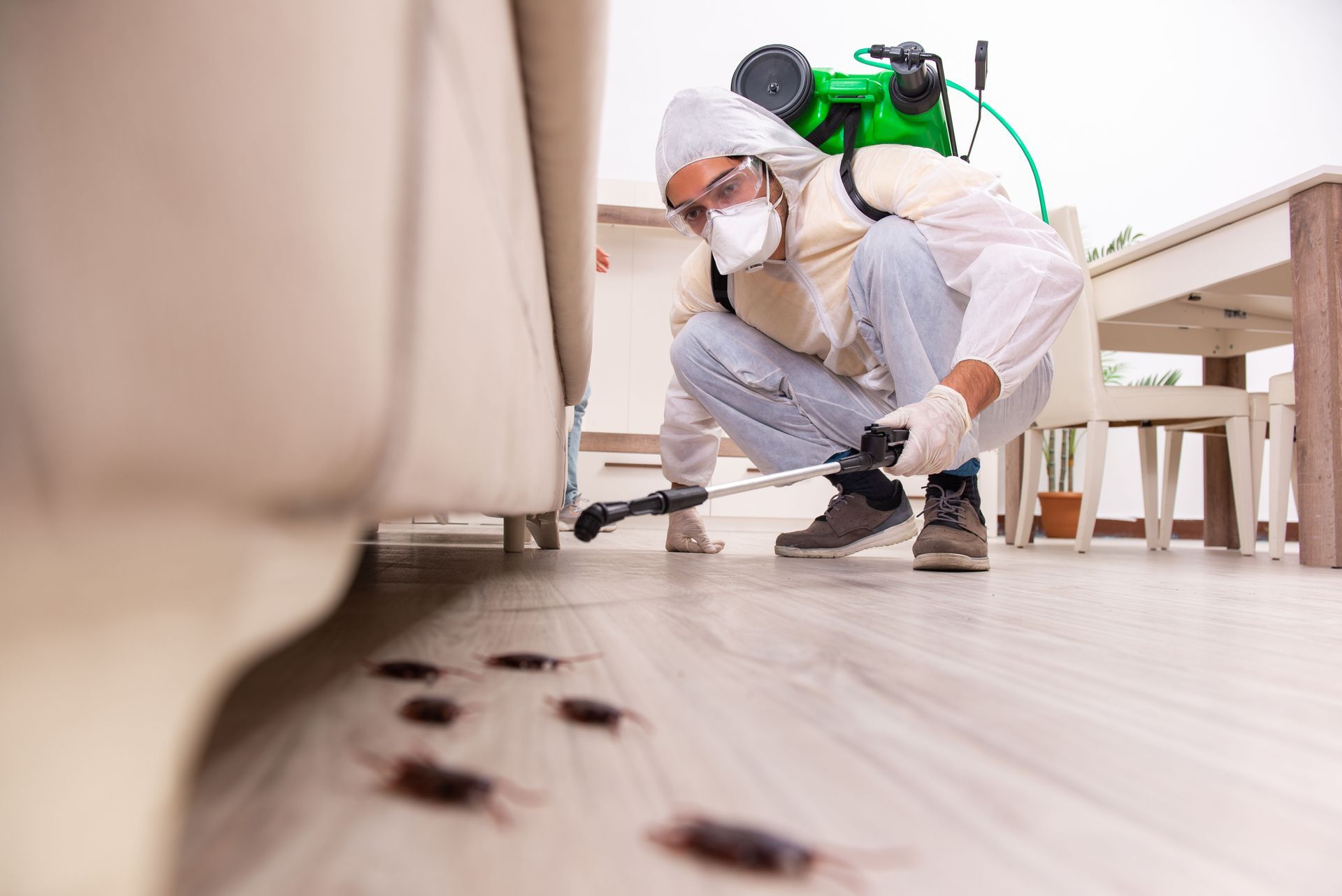
An ant infestation presents different challenges from bed bugs, cockroaches, spiders, fleas, flies, or stinging insects. Professional insect control accounts for those distinctions with treatments selected for the specific pest and the locations where activity is occurring. Depending on the infestation, services may involve targeted applications, bait systems, barriers, trapping, exclusion techniques, or other professional methods.
Some insects also require attention to their breeding or nesting locations. Fly management can involve locating breeding sources, while wasp, yellow jacket, and hornet problems may require professional nest identification and removal. Bed bug problems benefit from detailed inspections that examine likely hiding places before an appropriate treatment plan is developed.
Seasonal Programs Provide Continuing Protection
A property that is quiet during one season may encounter different pest pressure during another. Ant activity can rise during warmer periods, mosquitoes and ticks can affect outdoor spaces, and rodents may seek shelter as conditions change. Seasonal pest management allows treatment schedules and preventative measures to correspond with predictable changes in pest behavior.
This is an area where local exterminators can draw on familiarity with regional pest patterns. Instead of focusing solely on an infestation after it becomes established, ongoing maintenance programs can combine inspections with customized treatments designed to identify existing concerns and potential weak points. Year-round programs provide continuity as different pest pressures emerge.
Rodent Control Requires More Than Removing the Animals
Mice and rats can enter structures through openings and travel through areas that make their presence difficult to address without a broader plan. Professional rodent programs can combine inspection, strategic trapping or removal, exclusion, and preventative measures. Technicians can identify entry points and other access routes that need attention as part of the overall control process.
Exclusion is particularly important because removing existing rodents does not address how they entered the property. Professional rodent proofing may involve sealing gaps, cracks, openings, utility access points, foundation gaps, or roof access areas with appropriate materials. Addressing both existing activity and access routes creates a more complete response to an infestation.
Wildlife Problems Need Specialized Handling
Wildlife presents different challenges from common household insects. Raccoons, squirrels, opossums, bats, and birds may enter or settle around properties, sometimes affecting attics, crawlspaces, insulation, wiring, or other structural areas. These situations call for removal methods designed for the particular animal rather than ordinary insect treatment.
Professional wildlife services can incorporate humane removal, trapping, exclusion techniques, preventative barriers, and repairs intended to discourage animals from returning. The appropriate approach depends on the species and how it is accessing or using the property. Specialized service allows wildlife problems to be handled while also addressing the conditions that contributed to the intrusion.
Outdoor Pest Control Protects More Than Indoor Spaces
Pests do not need to enter a building before they become disruptive. Mosquitoes, ticks, fleas, spiders, fire ants, grubs, chinch bugs, armyworms, and stinging insects can affect lawns and outdoor living areas. Professional exterior pest management can address activity around home perimeters, patios, decks, landscape features, and other places where pests gather.
Targeted outdoor programs may include scheduled treatments, barrier applications, perimeter treatments, or approaches directed at breeding and hiding areas. These services can reduce active pest populations while supporting preventative management around the property. Treating exterior activity can also become part of a broader strategy for limiting pests that may eventually move indoors.
Wood-Destroying Pests Require Careful Detection
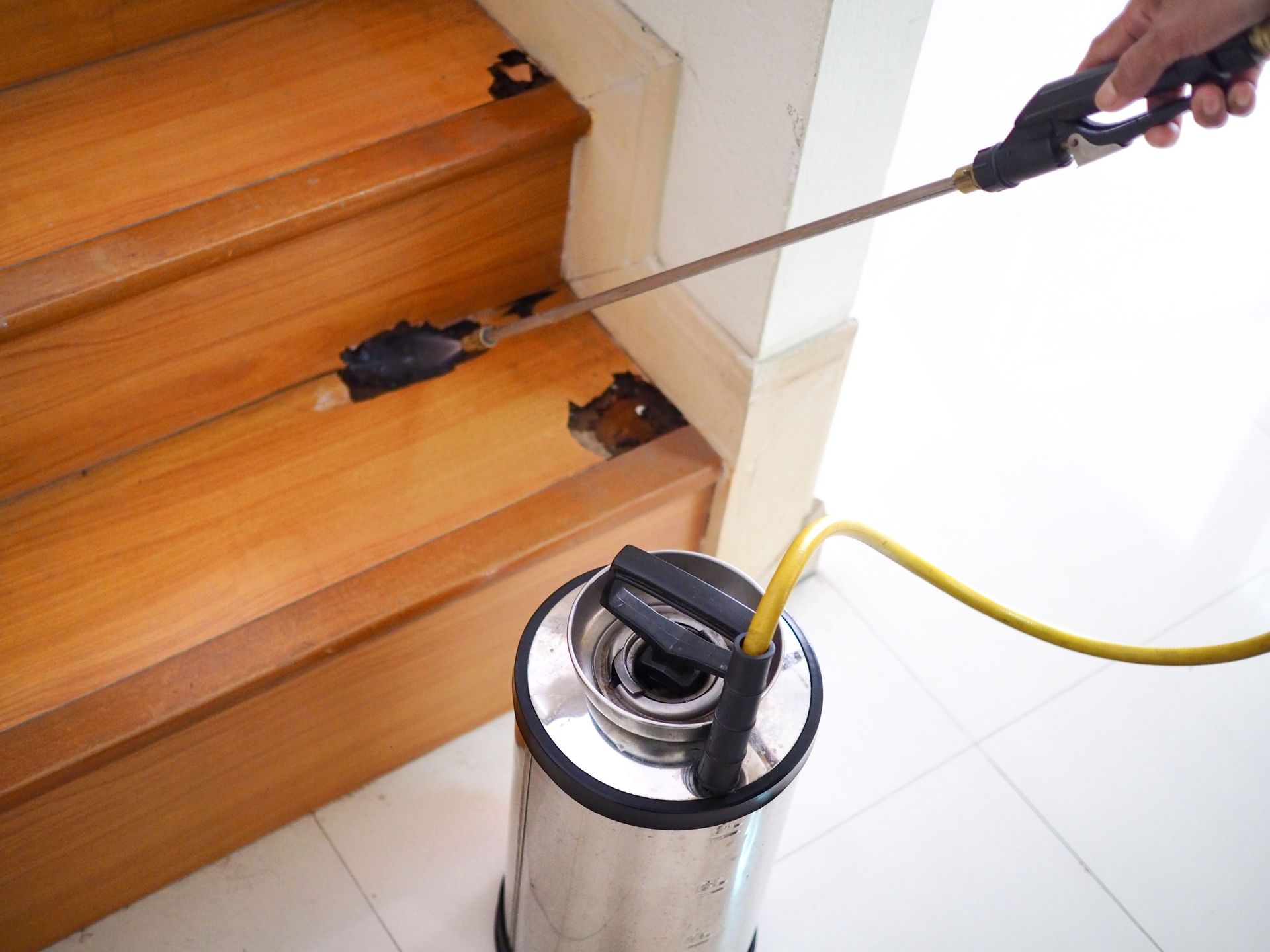
Termites, carpenter ants, powder post beetles, and other wood-destroying organisms can affect structural materials while remaining less visible than many household pests. Professional inspections help locate evidence of activity and assess areas that warrant further attention. Detailed wood infestation reports can also document current infestations or conditions relevant to property planning and transactions.
Professional termite and wood-destroying insect services may include advanced detection methods, targeted treatments, baiting systems, monitoring, and preventative planning. Because activity can occur in concealed areas, accurate detection is an important part of deciding how to respond. Pest professionals can then match the treatment strategy to the type and extent of activity identified.
Managing pests effectively depends on identifying the specific problem and choosing methods suited to the pest, property, and time of year. Professional inspections, targeted treatments, exclusion techniques, removal services, and preventative programs work together to address existing activity while reducing opportunities for recurring infestations. Lanier Exterminating Service Inc gives Cumming and North Georgia property owners access to local exterminators for insect control, outdoor pest management, rodent control, wildlife removal, seasonal programs, inspections, and wood-destroying organism services. Homeowners and businesses dealing with pest activity can contact Lanier Exterminating Service Inc for a free estimate and professional help selecting the appropriate pest management service for their property.