September 21, 2026
Termite control is an essential aspect of homeownership because these destructive insects can cause significant structural damage when activity goes unnoticed or untreated. Selecting qualified professionals is therefore an important part of protecting a house and preserving its long-term value. Homeowners should evaluate experience, credentials, treatment methods, communication practices, and other factors before deciding which pest management team is best equipped to address an infestation.
The pest management industry continues to expand as property owners place greater emphasis on preventing and addressing insect problems. According to Pestpac.com, the U.S. pest control market is expected to grow from $22.7 billion in 2022 to $29.1 billion by 2026. This growth highlights increasing demand for professional pest management services and gives consumers a broad range of providers from which to choose.
With so many companies offering different services, technologies, guarantees, and pricing structures, comparing providers carefully can make the selection process easier. A dependable company should be willing to explain what it finds during an inspection, why a particular treatment is recommended, and what homeowners can do to reduce future risks. Taking the time to research these details can help property owners make a more informed decision.
Researching Companies and Their Reputations
Online reviews and ratings are useful starting points when researching companies that provide termite control services. Reviews can reveal how previous customers viewed a provider's punctuality, professionalism, treatment effectiveness, communication, and follow-up service. Rather than focusing exclusively on an overall star rating, homeowners should read several reviews and look for recurring patterns. Consistent comments about thorough inspections or responsive technicians may provide more useful information than one unusually positive or negative experience.
It is also helpful to observe how businesses respond to complaints. Even reputable companies can receive negative reviews, but a professional response may demonstrate that the provider takes customer concerns seriously. Companies that clearly address complaints and attempt to resolve legitimate problems can show a stronger commitment to customer service. Reviews should still be combined with direct research because online comments do not always provide the complete context surrounding a service experience.
Requesting Recommendations From Trusted Sources
Recommendations from friends, relatives, neighbors, real estate professionals, or other trusted contacts can provide another perspective. Someone who has dealt with a similar infestation may be able to describe how thoroughly a company inspected the property, whether technicians explained the process clearly, and whether the treatment produced satisfactory results. Local recommendations may be especially useful because termite species and infestation patterns can vary by geographic area.
Community forums and neighborhood groups can broaden the search. When gathering recommendations, homeowners should ask specific questions rather than simply requesting company names. Learning whether technicians arrived on time, provided clear estimates, respected the property, and returned for scheduled follow-ups creates a more complete picture. Recommendations can then be compared with licensing information, reviews, and direct consultations before a final decision is made.
Evaluating Experience and Technical Expertise
A company's experience can indicate its familiarity with different types of infestations and building conditions. Established professionals may have encountered termites in foundations, crawl spaces, basements, wall systems, garages, additions, and other structural areas. Experience can be particularly valuable when an infestation is difficult to locate or when previous treatments have failed to stop activity.
Years in business should not be the only measure of expertise. Homeowners should also ask about technician training and continuing education. Pest management products, monitoring technologies, application procedures, and industry standards continue to evolve. Professionals who receive ongoing training may be better prepared to identify termite species, recognize signs of activity, and recommend suitable treatment strategies. An effective termite control provider should be capable of explaining its recommendations in understandable terms rather than relying on vague technical claims.
Checking Licenses, Certifications, and Insurance
Credentials are another important consideration when selecting a pest management company. Licensing requirements differ by state, so homeowners should verify that a prospective provider meets applicable local requirements. Licensing generally indicates that technicians or companies have satisfied specified training, testing, or regulatory standards. Consumers can ask the company for licensing information and verify it with the appropriate state agency when necessary.
Professional certifications and industry memberships can provide additional information about a company's commitment to training and ethical practices. Homeowners may also want to confirm that the provider carries appropriate insurance coverage. Insurance can offer protection if accidental property damage or another unexpected issue occurs during treatment. A reputable company should be willing to answer reasonable questions about its credentials instead of avoiding requests for verification.
Comparing Chemical Treatment Options
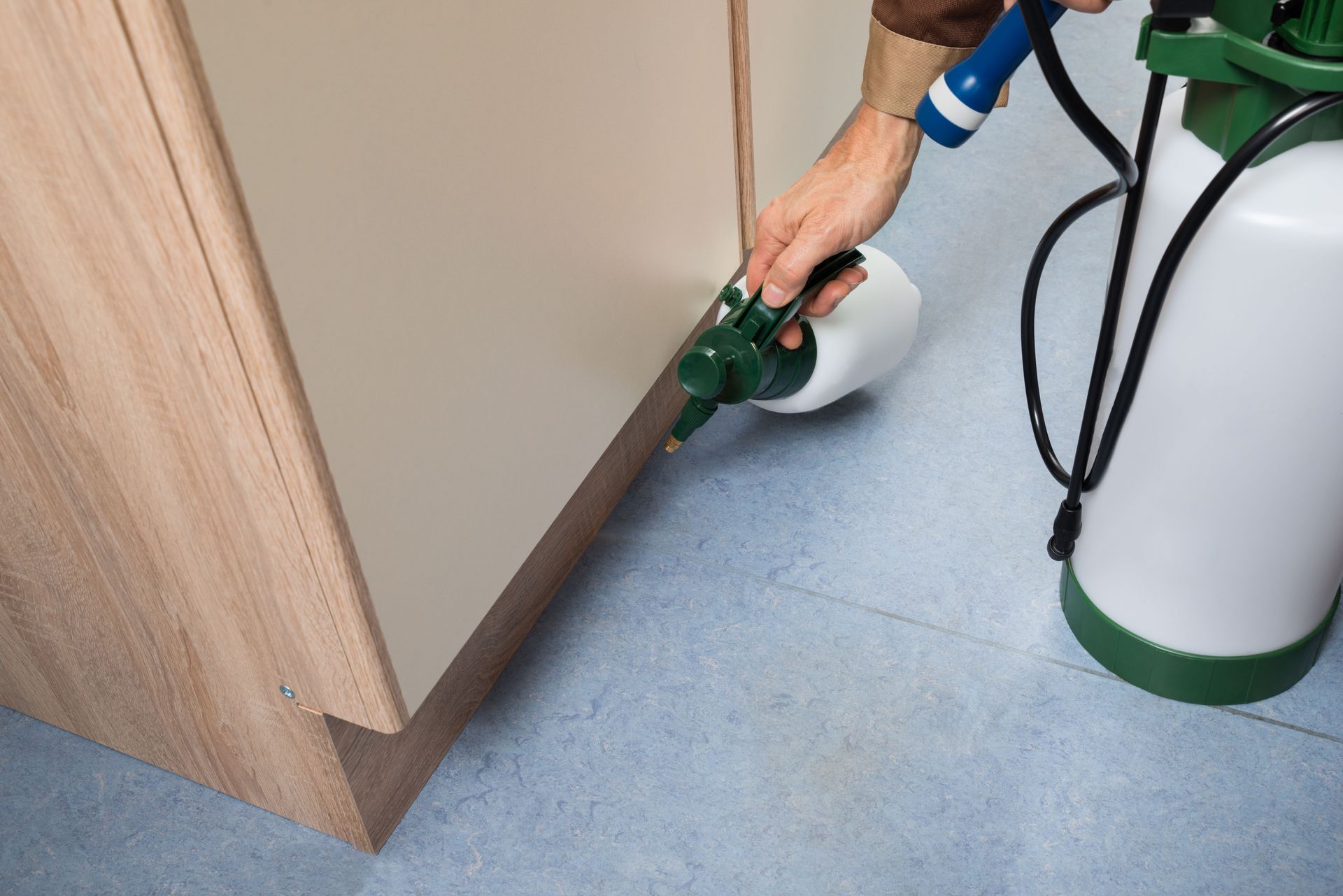
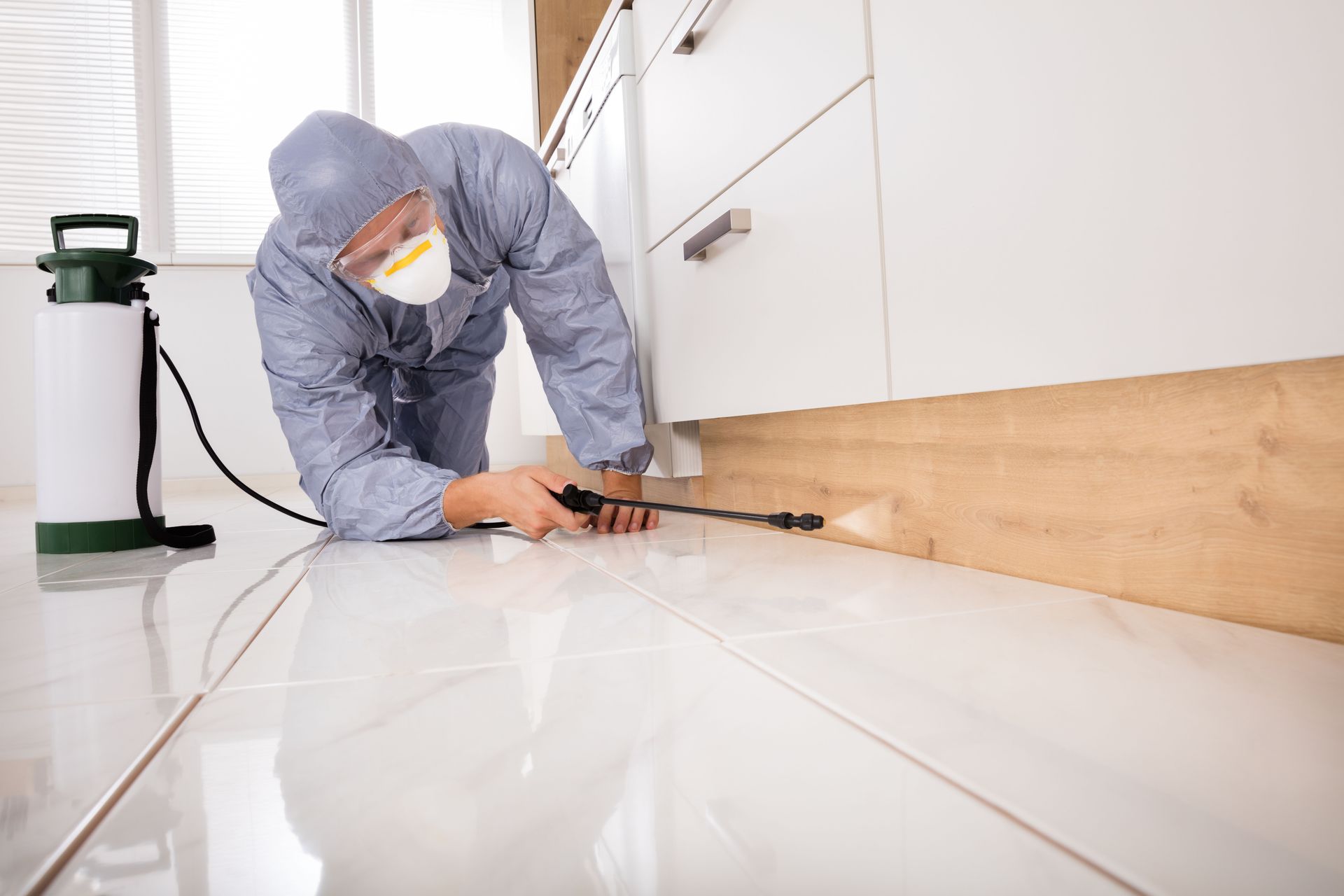
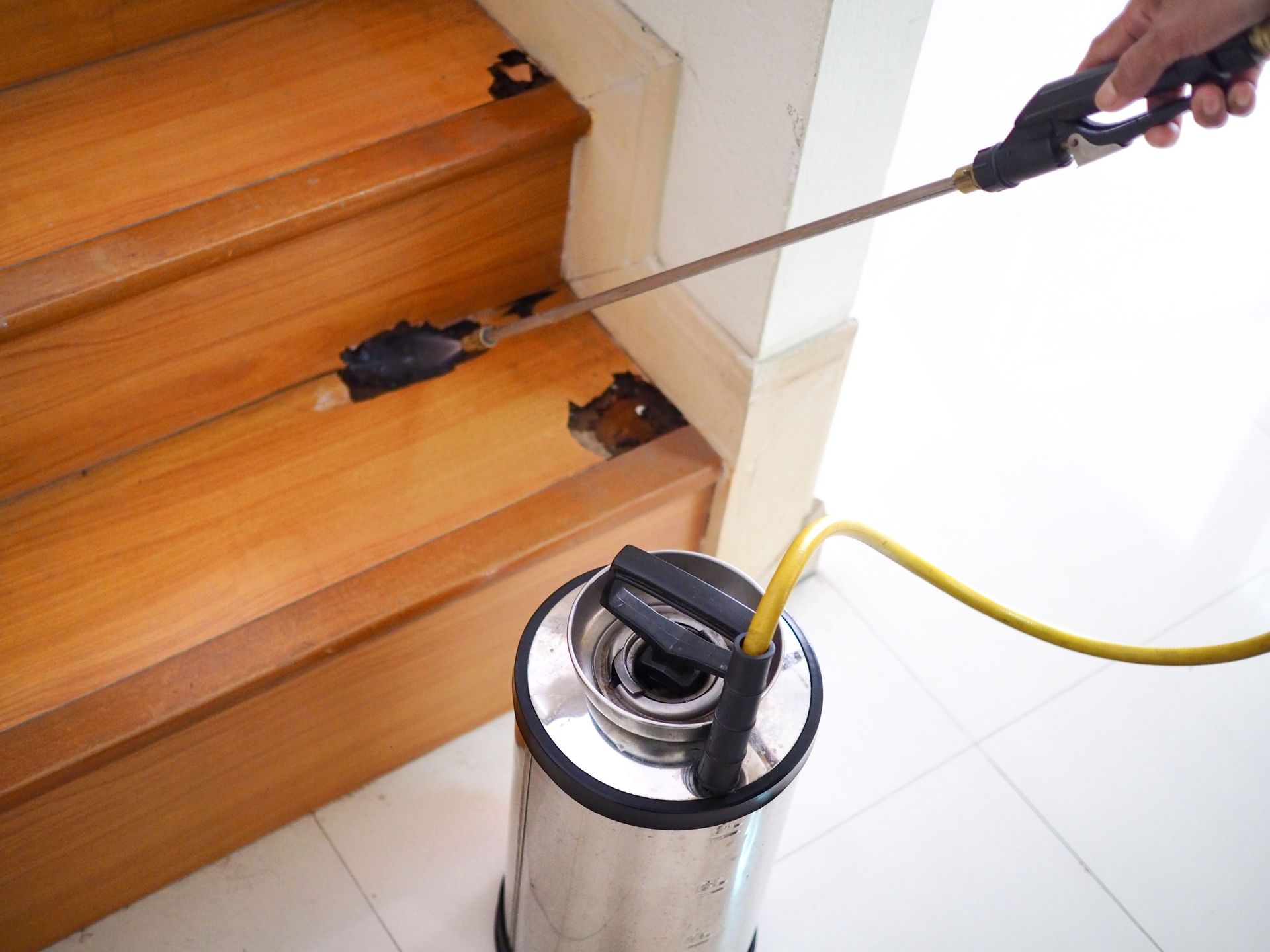
Chemical treatments remain widely used for managing termite infestations. Depending on the circumstances, professionals may recommend liquid soil treatments, bait systems, wood treatments, or a combination of methods. Liquid applications can create treated zones around structural areas, while bait stations are designed to attract termites to materials containing slow-acting active ingredients. Wood treatments may be applied directly to vulnerable structural components in certain situations.
Homeowners should ask why a particular treatment is appropriate for their property and how long the expected protection may last. Other useful questions involve preparation requirements, treatment locations, monitoring schedules, and follow-up procedures. Effective termite control depends not simply on selecting a product but also on applying it correctly based on the structure, termite activity, soil conditions, and other site-specific considerations.
Safety should be discussed before treatment begins. Professionals should explain relevant precautions involving children, pets, food, landscaping, water sources, or other sensitive areas when applicable. Homeowners can also request information about products being used and any necessary reentry instructions. Clear explanations help consumers understand both the benefits and responsibilities associated with a proposed treatment.
Considering Non-Chemical and Integrated Approaches
Some properties may benefit from non-chemical strategies or a combination of treatment methods. Heat, physical barriers, moisture management, structural modifications, and other techniques can sometimes complement conventional applications. The suitability of these approaches depends on termite species, infestation location, building construction, and the extent of existing activity. No single technique is necessarily appropriate for every property.
Integrated Pest Management, commonly known as IPM, combines inspection, monitoring, prevention, environmental modifications, and targeted treatments. Instead of focusing exclusively on eliminating visible insects, this strategy examines conditions that may contribute to infestation. Moisture problems, wood-to-soil contact, damaged building materials, drainage issues, and structural openings can all influence termite activity.
An integrated strategy can make termite control more comprehensive by addressing immediate activity alongside conditions that could encourage future infestations. Professionals may recommend repairing leaks, improving drainage, removing wood debris, increasing ventilation, or correcting direct contact between wooden structural components and soil. These measures can complement treatment and make the property less attractive or accessible to termites over time.
Looking for Customized Treatment Plans
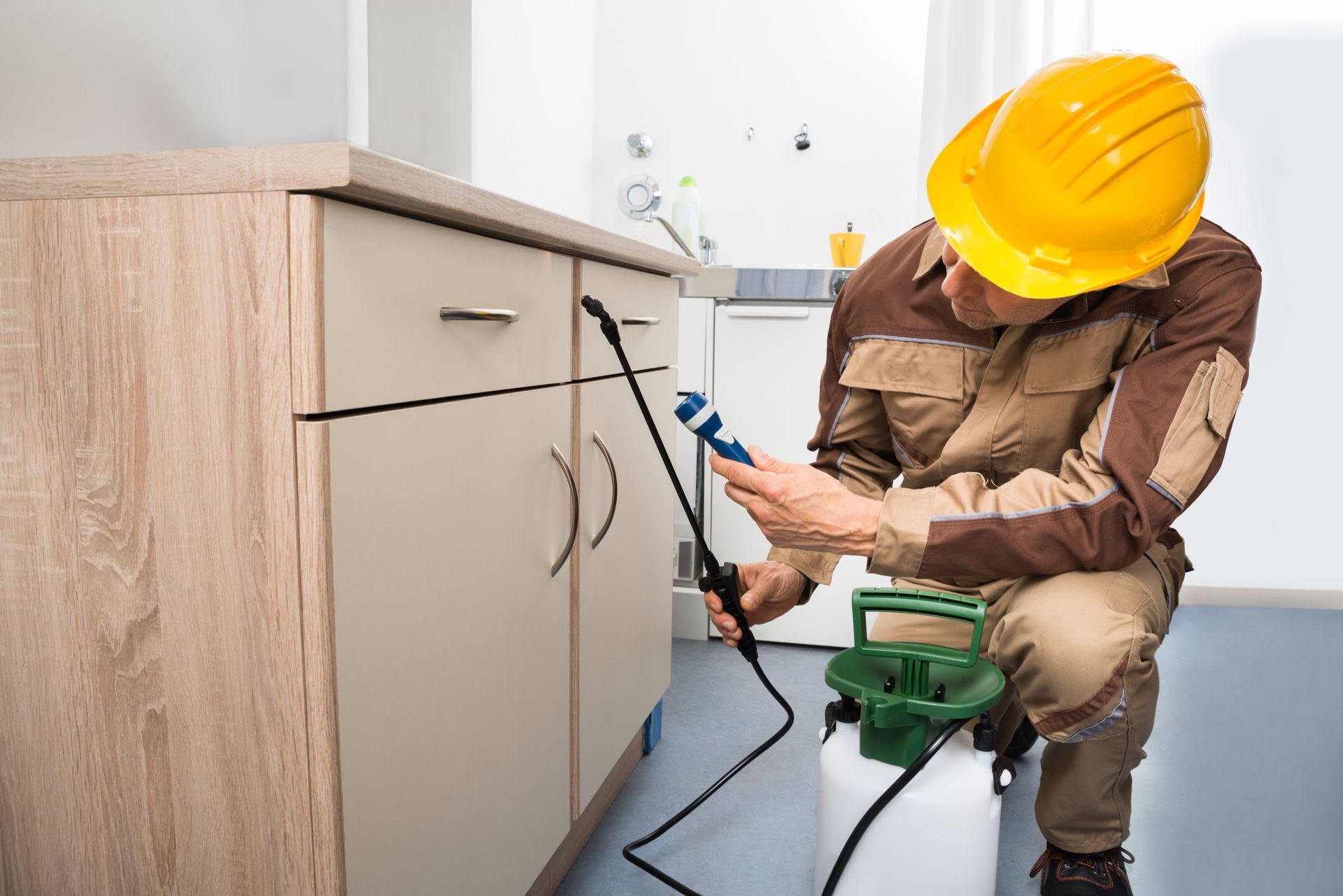
Termite infestations vary considerably, making individualized treatment plans important. A qualified technician should inspect the property before recommending a major service. The inspection may include foundations, crawl spaces, basements, exterior walls, utility penetrations, wooden structural components, and other accessible areas where evidence of activity could appear.
The technician should also consider the suspected species, extent of activity, building layout, moisture conditions, previous treatments, and surrounding environment. A standardized recommendation made without sufficient inspection may overlook important conditions. Customized plans allow treatment to focus on relevant areas while establishing appropriate monitoring and preventive measures for the property.
Choosing qualified professionals ultimately involves balancing technical expertise, credentials, treatment options, safety practices, pricing, and communication. A thorough provider should explain what is happening, recommend a strategy based on the property's actual conditions, and establish appropriate follow-up procedures. Careful research at the beginning of the process can help homeowners choose dependable service and maintain stronger protection against future termite activity. Contact our team at Lanier Exterminating Service Inc today and learn more about our termite control services.